Why Are International Energy Companies Coming to China? The Answer Is Changing.
Reflections from 15 Years of Energy China Forum
By Xiaolai Zhou
Chairman, Shanghai United Institute for Unconventional Resources (SUI)
Founder and Chairman, Energy China Forum (ECF)
November 2026 | Shanghai, China
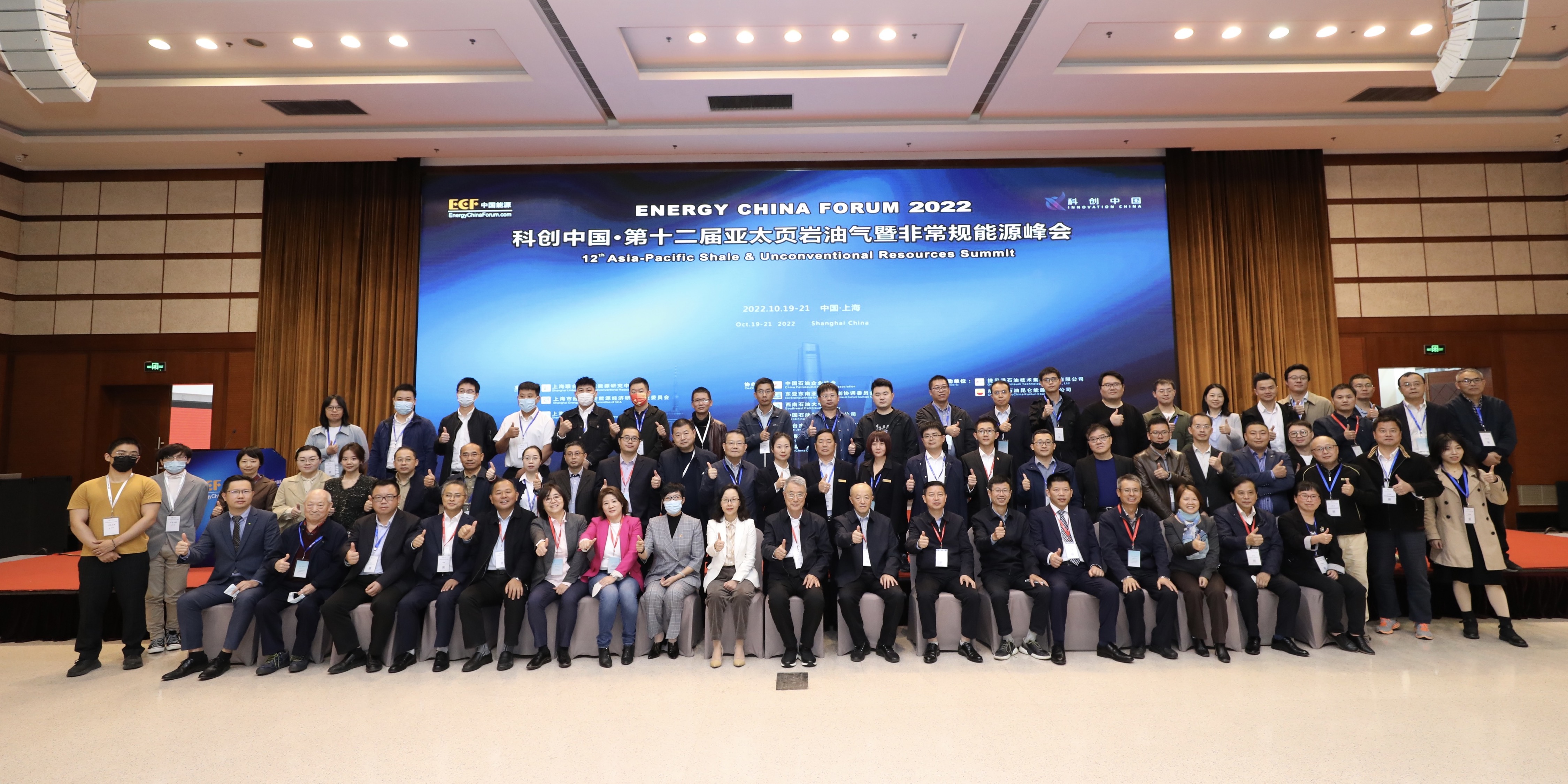
When we launched Energy China Forum in 2011, many international energy companies came to China looking for customers. They wanted to introduce their technologies, sell equipment and services, and participate in China's emerging unconventional oil and gas industry.
Fifteen years later, while preparing for ECF2026, I noticed something different.
Some international participants were coming to China not primarily to sell, but to find technologies, engineering solutions and service providers for projects in their own countries and other markets.
This may appear to be a subtle change, but its implications deserve attention.
China is increasingly being seen not only as a market to serve, but also as a source of solutions.
A Change Already Visible in Other Industries
In Shanghai, similar developments can be seen in other sectors.
International automotive manufacturers are seeking partnerships with Chinese companies in electric vehicle technologies, software and intelligent driving. Global pharmaceutical companies are licensing innovations developed in China for international commercialization.
These are not simply examples of Chinese companies expanding overseas. They reflect a changing perception of China among international businesses.
Are we beginning to see a similar shift in the oil and gas industry?
What China Has Built Beyond Oil and Gas Production
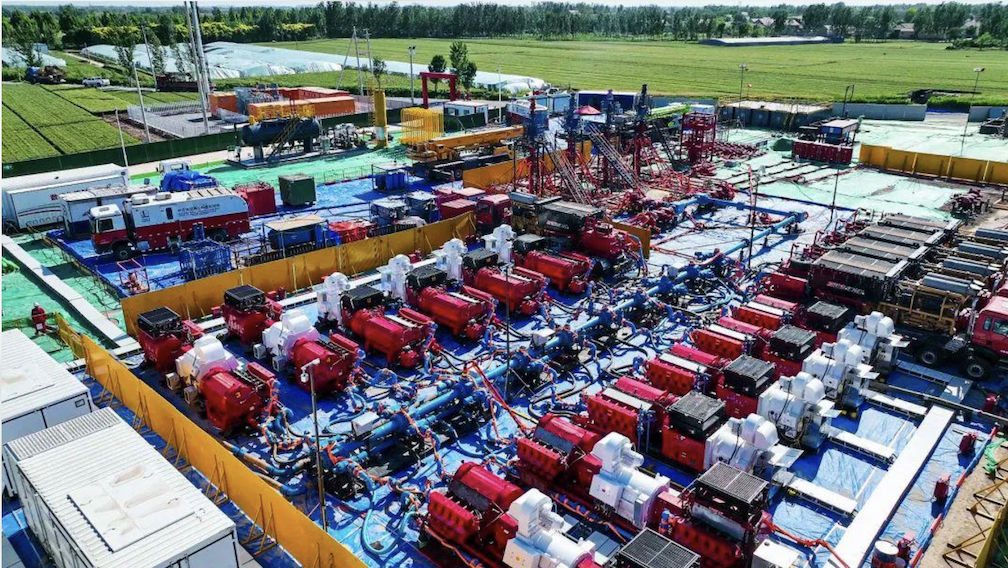
China's unconventional oil and gas development has driven innovation in drilling, hydraulic fracturing and integrated field engineering.
Fifteen years ago, much of China's unconventional oil and gas industry was focused on learning from the North American shale revolution.
However, China's geological conditions required different approaches. Deep shale gas in the Sichuan Basin, deep coalbed methane in the Ordos Basin and continental shale oil in the Junggar Basin presented distinct engineering challenges.
Addressing these challenges has driven innovation in drilling, hydraulic fracturing, reservoir evaluation, equipment manufacturing, intelligent operations and integrated field development.
In 2025, according to China's National Energy Administration:
Shale oil production exceeded 8.5 million tonnes.
Shale gas production reached 27.7 billion cubic metres.
Total unconventional natural gas production exceeded 110 billion cubic metres.
But production figures tell only part of the story.
Alongside these resources, China has developed an extensive ecosystem of specialized technology providers, equipment manufacturers, engineering companies and research institutions.
The global significance of China's unconventional oil and gas development may extend well beyond the oil and gas it produces.
Some of the industrial capabilities developed in China can potentially improve the economics of resource development elsewhere.
Different Pathways to International Markets
Two examples illustrate this potential.
Jereh's involvement in ADNOC's Ruwais Diyab unconventional gas development in Abu Dhabi, under a Design–Build–Operate (DBO) model, demonstrates how Chinese companies are moving beyond equipment supply towards integrated engineering delivery and long-term operations.
A very different example is an ultra-short-radius horizontal drilling technology recognized by the 11th ECF Energy Technology Innovation Award. Applied in Chinese oilfields and Mongolia's Tamtsag oilfield, it is designed to access remaining oil through existing wellbores.
One represents large-scale engineering integration. The other addresses a specific development challenge in mature oilfields.
International operators do not necessarily need an entire Chinese development system. In many cases, a specialized technology, engineering tool or service may be precisely what they need.
Both pathways deserve attention.
Finding Suppliers Is Not the Biggest Challenge
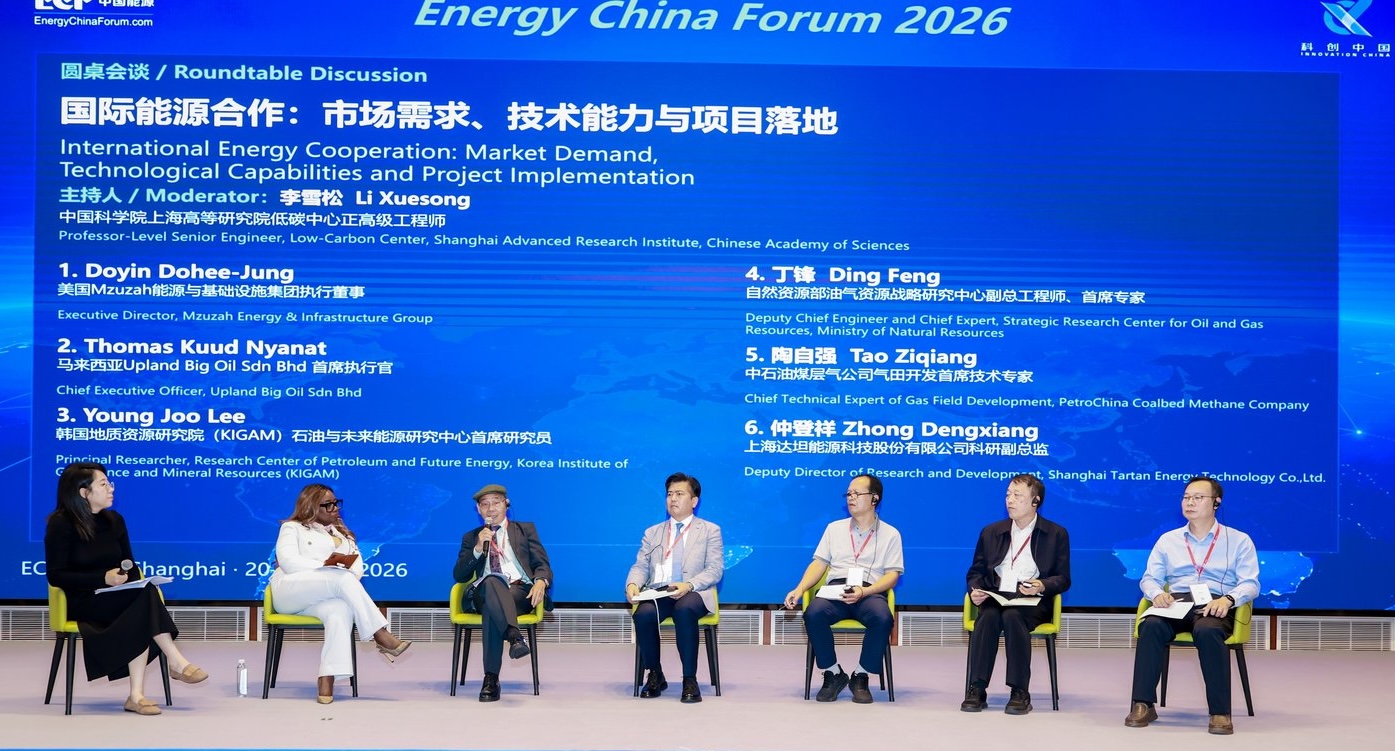
International energy cooperation roundtable at ECF2026, exploring market needs, technological capabilities and opportunities for project development.
At ECF2026, I was struck by the difference between our technical sessions and our international cooperation discussions.
Chinese engineers were discussing drilling efficiency, fracturing optimization, production decline and recovery improvement.
International participants were asking about project economics, customer affordability, financing, local operating conditions and reliable service partners.
The two discussions were closely related, yet not always connected.
For international operators, finding Chinese suppliers is not necessarily difficult. Identifying the right technology for a specific reservoir, comparing alternative solutions, verifying field performance and assessing a provider's delivery capabilities can be considerably more challenging.
A technology that works in China may not automatically work elsewhere.
This is where independent technical assessment, local knowledge and effective industry cooperation become particularly valuable.
Rethinking International Energy Cooperation
Fifteen years ago, much of our work at Energy China Forum was about connecting international technological expertise with China's emerging unconventional energy industry.
Today, we see an additional opportunity: connecting China's industrial capabilities with energy development needs around the world.
This is not about replacing international technologies with Chinese alternatives. It is about combining complementary strengths — Chinese engineering and manufacturing capabilities, international specialized technologies, local operating experience and capital — to make more projects commercially viable.
Similar opportunities may emerge in deep geothermal energy, natural hydrogen and underground energy storage.
For ECF and SUI, this changing landscape also raises an important question: how can professional platforms help companies move from discovering technologies to evaluating solutions and developing meaningful partnerships?
After fifteen years of organizing Energy China Forum, I increasingly believe that this is where our work can create greater value.
China remains a major energy market. Understanding its emerging role as a source of technology, engineering expertise and project solutions is becoming equally important.
The next chapter of international energy cooperation with China may be shaped as much by what the world can find in China as by what it can sell to China.
I would welcome perspectives from international colleagues, particularly those exploring new technologies and engineering solutions for energy projects beyond China.
About the Author
Xiaolai Zhou is the Chairman of the Shanghai United Institute for Unconventional Resources (SUI) and the Founder and Chairman of Energy China Forum (ECF). Since 2011, she has been engaged in unconventional energy research, technology evaluation, industry development and international energy cooperation.
References
National Energy Administration of China. China Oil and Gas Exploration and Development Report 2026.
ADNOC. Ruwais Diyab Unconventional Gas Development.
Jereh. Corporate announcement on its ADNOC Onshore projects, November 2026.
Energy China Forum. The 11th ECF Energy Technology Innovation Award (2026) — Award-Winning Projects and Technical Reviews.
Connect with ECF
Energy China Forum welcomes exchanges with international energy operators, project developers, technology companies and research institutions interested in exploring China's energy technologies, engineering capabilities and opportunities for international cooperation.
Website: www.EnergyChinaForum.com
This article was originally published on LinkedIn by Xiaolai Zhou.
Read the original article on LinkedIn