China’s Unconventional Gas Enters a New Phase: Where Will the Next Breakthrough Come From?

China’s unconventional gas industry is entering a new phase.

The question is no longer simply whether these resources can be developed.

It is whether increasingly deep, complex and heterogeneous reservoirs can be developed efficiently, economically and at scale.

A new study led by Caineng Zou, Member of the Chinese Academy of Sciences, draws on China’s latest exploration and development results, production data from more than 7,000 horizontal wells, and statistical and machine-learning analysis.

The study systematically compares four major types of unconventional natural gas in China:

• Tight gas
• Shale gas
• Shallow coalbed methane
• Medium-deep coal-rock gas, a term used in the study for gas developed from deeper coal-bearing formations

One important implication is clear:

The next breakthrough is unlikely to come from a single technology. It will come from integrated geological and engineering solutions.

Future competitiveness will increasingly depend on how effectively operators connect geological characterization, horizontal-well design, hydraulic fracturing, production optimization, digital technologies and AI.

This is why geological-engineering integration matters.

Geological understanding must guide well placement, completion and stimulation decisions. At the same time, drilling, fracturing and production data must continuously update reservoir models and improve the next round of engineering decisions.

Three shifts deserve particular attention.

1. From easier resources to deeper and more complex reservoirs

Deep shale gas, deep coalbed methane and other complex resources require new solutions in drilling, completion, stimulation, reservoir characterization and production management.

2. From larger stimulation to more effective stimulation

The objective is not simply to pump more fluid or create more fractures.

The real objective is to improve effective stimulated volume, fracture conductivity, production stability and economic recovery.

3. From technology demonstration to measurable field performance

New technologies will increasingly be judged by results:

• Lower development costs
• Shorter drilling and completion cycles
• More consistent execution
• More stable long-term production
• Repeatability across wells and fields

AI will play a growing role—but primarily as an engineering capability rather than a standalone concept.

Its value will be measured through better sweet-spot identification, drilling optimization, fracturing design, equipment diagnostics, production forecasting and faster operational decisions.

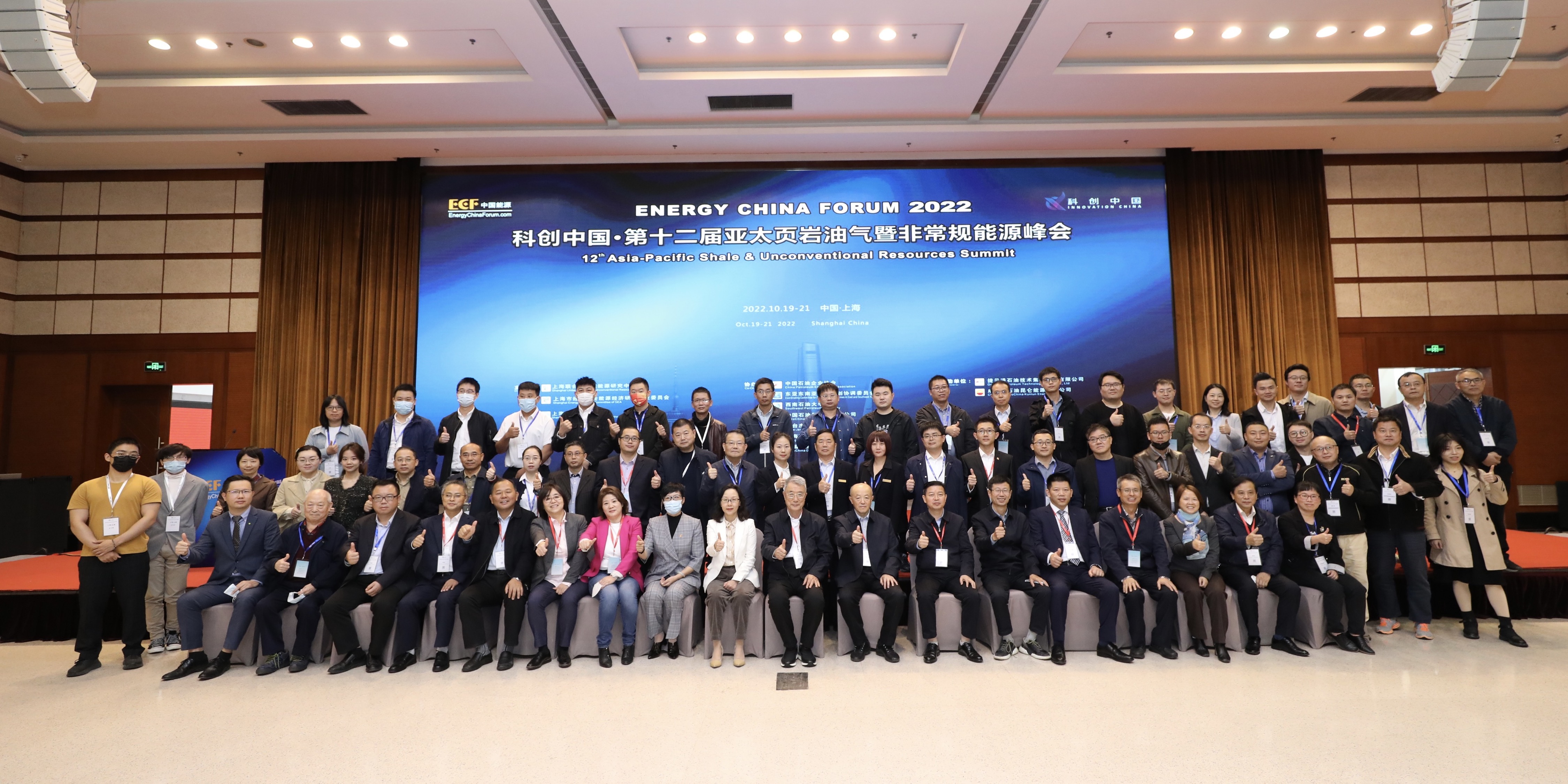
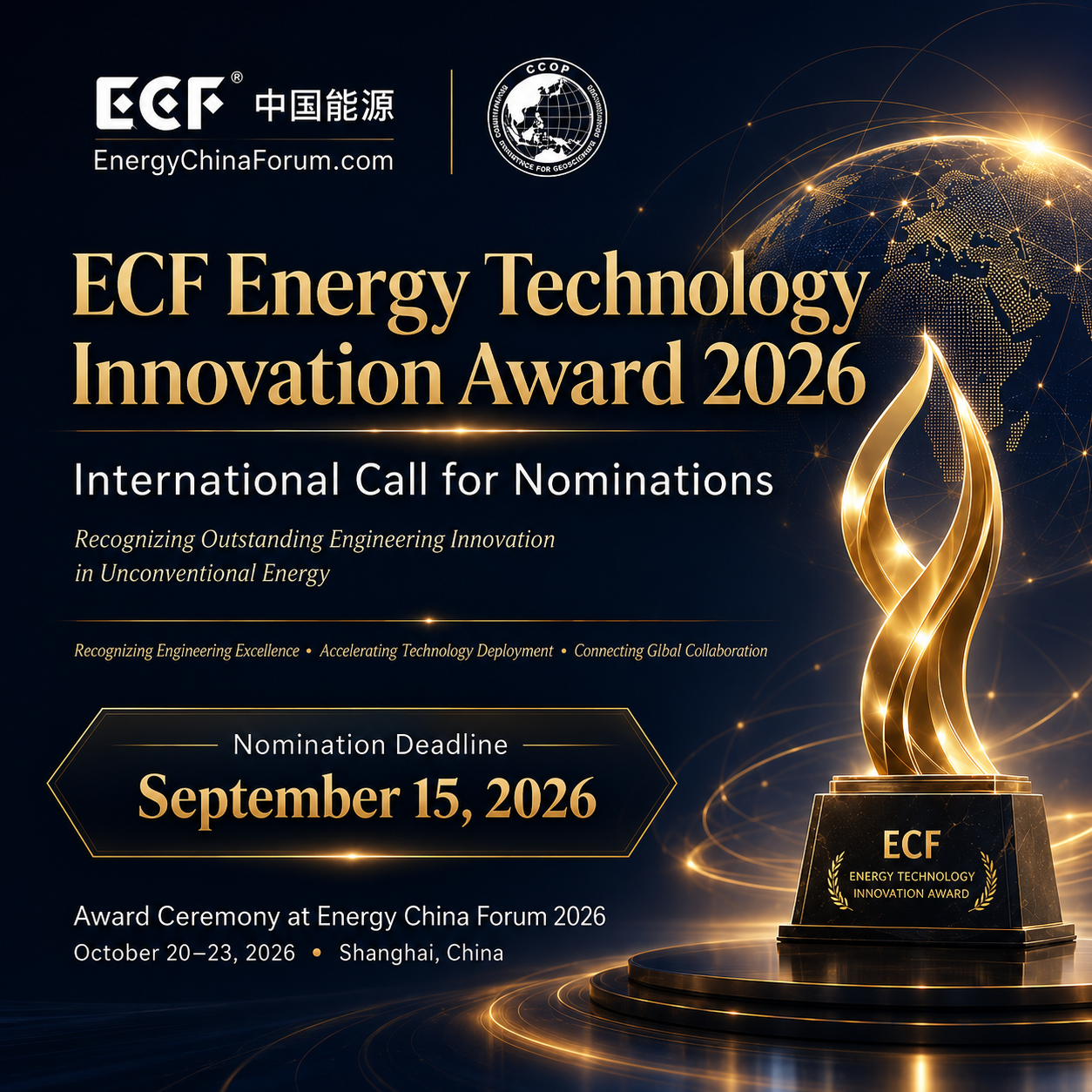
These questions will be central to Energy China Forum 2026 — the 16th Asia-Pacific Unconventional Energy Conference, to be held in Shanghai from October 20 to 23, 2026.

Theme: Resilience · Efficiency · Impact

ECF2026 will bring together operators, engineering and oilfield service companies, equipment manufacturers, technology providers, research institutions and international partners to examine how promising technologies can move from technical potential to repeatable field performance.

Key conference programs will include:

ECF FracX 2026: Hydraulic Fracturing Innovation Symposium
Geological-Engineering Integration Symposium
The 11th ECF Energy Technology Innovation Award
Technical paper presentations and field case studies

Our goal is practical:

To connect technologies, field evidence and the right partners—and help turn innovation into measurable impact.


Reference

Zou, C., Yu, R., Dong, D., et al. “Geologic characteristics, development technologies and prospects of unconventional natural gas in China.” Petroleum Exploration and Development, 2026, 53(3): 659–673.

DOI: 10.11698/PED.20250534


Disclaimer: The above content was edited by Energy China Forum (www.energychinaforum.com), please contact ECF before reproduce.

Author: Xiaolai Zhou    News Time:2026-07-15

Back
Top
Message

Please leave your comment

Name*
Tel*
Email*
Company*
Message*
提交